Sustainability Report
At Uisce Éireann, we are passionate about improving the sustainability of Ireland’s water services, playing our part in building a more sustainable future for our planet and its people.
The Corporate Sustainability Reporting Directive (CSRD) a 2024 European Union (EU) Regulation directive (S.I. No. 336/2024) requiring Uisce Éireann to provide detailed Sustainability Environmental, Social and Governance (ESG) reporting against specified standards on a phased implementation. In February 2025, the EU published an Omnibus, amendment S.I. No. 498/2024 and S.I. No. 309/2025 to implement the EU “Stop the Clock” Directive, to postpone certain CSRD reporting timelines and to simplify sustainability reporting requirements. Uisce Éireann is awaiting transposition of the Omnibus Directive into Irish law. Subject to this transposition, we anticipate to fall within the scope of reporting requirements. We are advancing our internal work and further developing our Sustainability Reporting framework.
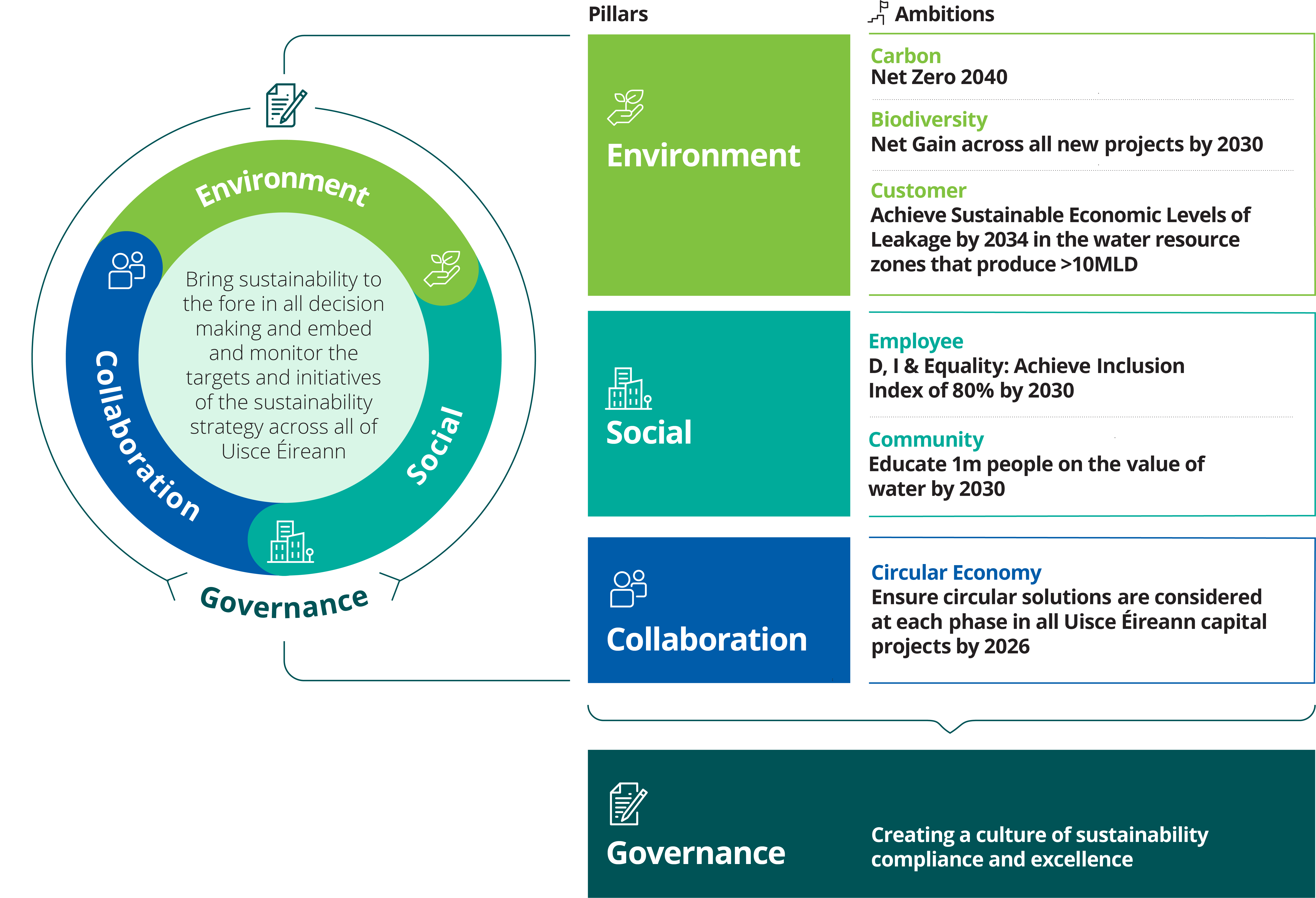
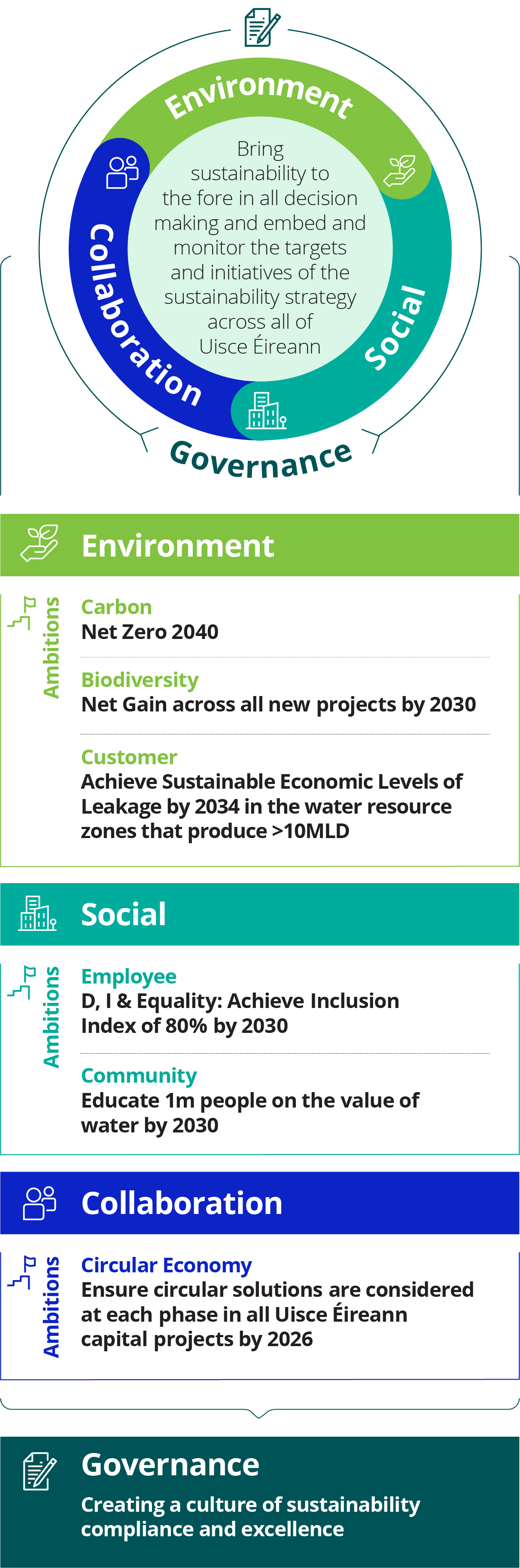
In 2025, the Uisce Éireann Sustainability Framework was launched. The Sustainability Framework includes 4 pillars Environment, Social, Governance and Collaboration (ESGC). Within these pillars we have set 6 dedicated ambitions: Carbon, Biodiversity, Customer, Employee, Community and Circular Economy. These ambitions are delivered across all areas of Uisce Éireann through a series of progressive sustainability initiatives and plans. The framework is designed to bring sustainability to the fore, align our thinking and decision making, give us a structure to advocate for and embed sustainability across Uisce Éireann.
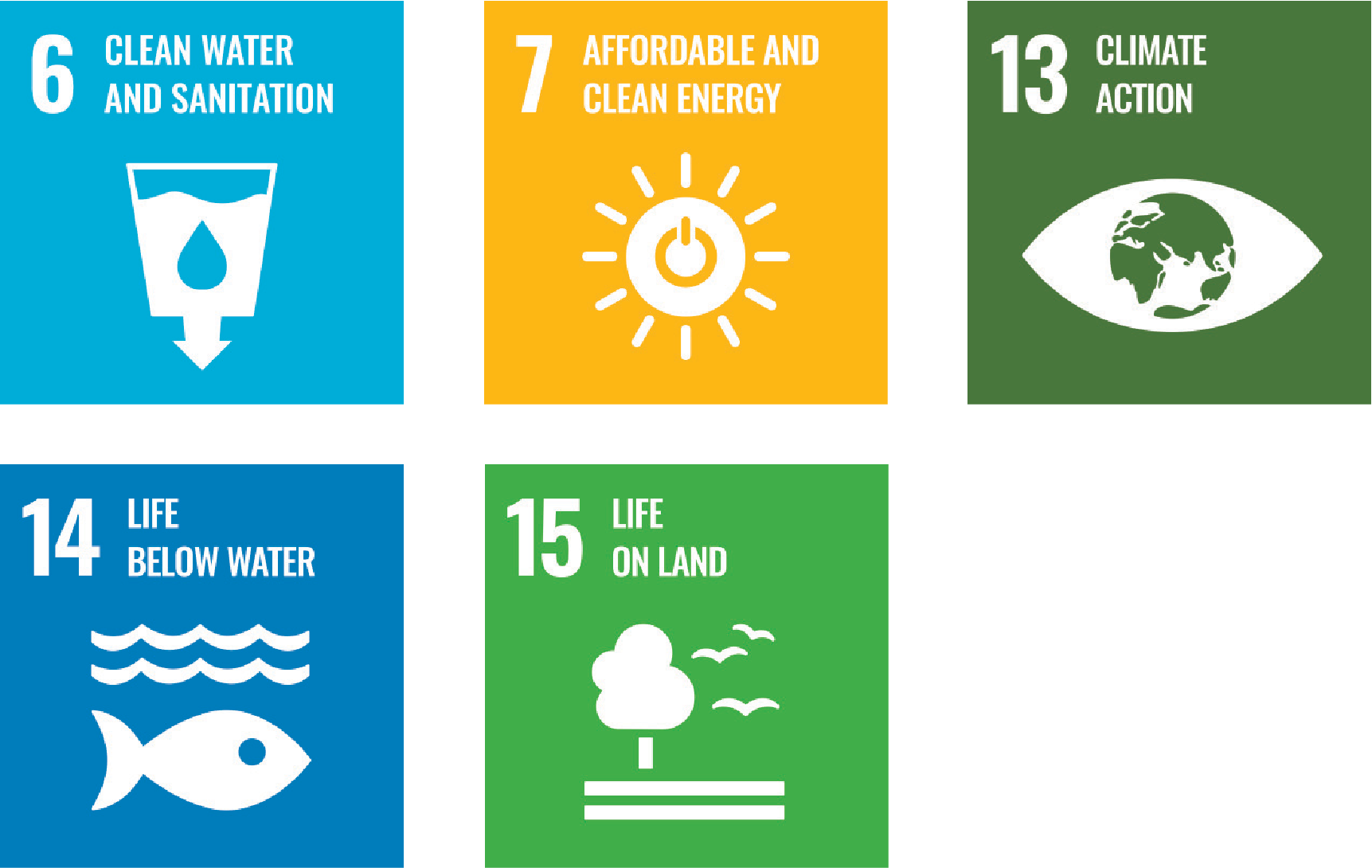
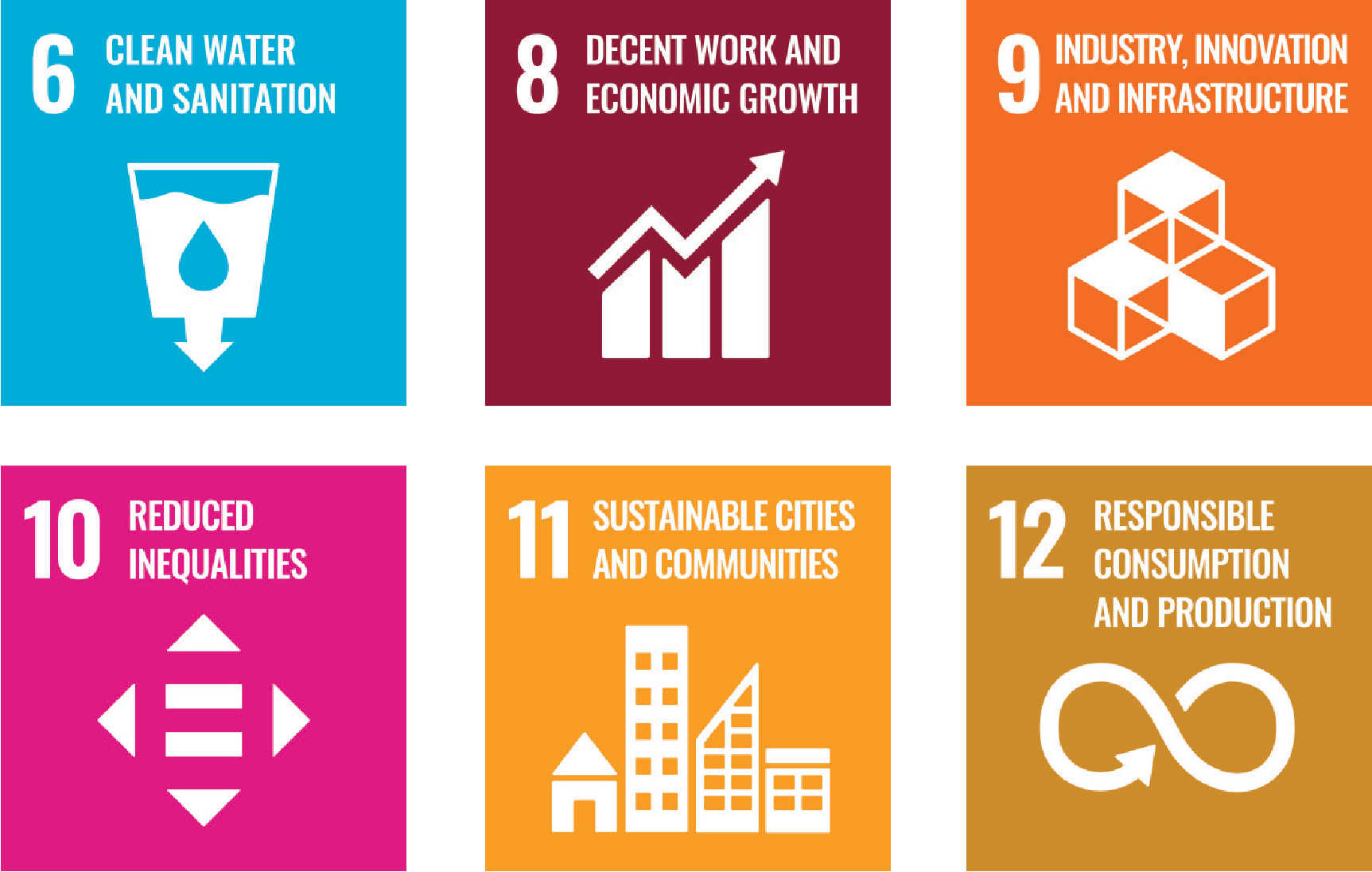
Water is critical to meet all 17 United Nations Sustainability Development Goals (SDGs) for 2030 (THE 17 GOALS | Sustainable Development). Our framework pillars positively contribute to 14 SDGs with ‘Clean Water and Sanitation’ (SDG 6) as our lead SDG.
Environment
The Environment pillar covers carbon reduction and measurement, biodiversity, waste management and resource efficiency as we seek to deliver low carbon and resilient water services for the benefit of our customers and communities.

AMBITION:
Carbon
Climate Change
Climate Change is one of the most pressing issues of our time and working every day with a precious natural resource like water, gives us a responsibility to ensure the decisions we make, have a sustainable impact on today’s generations and those to come. Uisce Éireann is responding to climate change impacts with a focused approach based on both adaptation and mitigation. The risks associated with climate change and their impact on our asset base and our service delivery are being continually assessed and addressed. Service resilience for our communities is still front and centre of what we do.
Climate Adaptation is an important aspect to everything we do in Uisce Éireann. It is about preparing for, recovering from, and adapting to the impacts of climate change, thereby increasing the resilience of our water and wastewater services to the impacts of a changed climate. Periods of extreme heat, intense rainfall, storms, sea level rise and increased flooding will all pose risks to the operation of our water and wastewater infrastructure. In January 2025, Ireland was impacted by Storm Éowyn, further information on Uisce Éireann’s response is set out in the Operating Review. The Uisce Éireann Water Supply Project (Eastern & Midlands Region) is estimated to be one of the largest climate adaptation projects in the country. During December 2025 a major milestone was reached, the Strategic Infrastructure Development application for this project was submitted to An Coimisiún Pleanála. For more information on this project refer to the Operating Review.
The Uisce Éireann Climate Resilience Community of Practice (CoP), is an internal cross-functional working group, that oversees and monitors CAP climate change adaptation measures undertaken and delivered across the organisation and reports progress into the Sustainability Steering Group. Its aim is to ensure Uisce Éireann services are adaptive and resilient to climate change into the future.
Climate Mitigation
We are committed to reducing our carbon emissions, in line with the Government’s Climate Action Plan (CAP) 2025, applying the expertise of our people to improve the sustainability of water services, wider society and contributing to national targets for the benefit of our planet and our future. The primary ambition for climate mitigation is for Uisce Éireann to be Net Zero by 2040, the achievement of which is dependent on several interrelated activities undertaken across the organisation. As Ireland’s most energy-demanding public sector service, we recognise the scale of the challenge to transform our utility into one that aligns with our vision, to deliver a sustainable and resilient service meeting both our current and future needs, while protecting and enhancing the environment on which our services depend.
Energy management remained a significant focus in 2025 guided by Uisce Éireann’s Sustainable Energy Strategy. This sets out the framework for delivering sustainable energy targets, covering electrical, thermal, and transport energy, prioritising energy reduction and energy efficiency followed by deployment of renewable energy.
|
Energy Sustainability energy target of 50% by 2030 |
Greenhouse Gas (GHG) emissions 51% reduction in energy-related GHG emissions by 2030 including 51% reduction in Fossil Fuel Consumption related to thermal heating & transport |
Renewable 40% of energy demand met from installed Renewables and Power Purchase Agreements by 2035 |
Achievement of these energy targets is managed through a framework of strategic Energy Action Plans with updated annual targets, including new, developing and/ or updated legislation, that are tracked and reported quarterly internally.

Energy Efficiency
Uisce Éireann is mandated by regulation, through the National Climate Action Plan, to improve its energy efficiency by 50% by 2030 against a 2009 benchmark (adjusted for population served). The energy performance indicator (EnPI), measures energy performance by dividing the organisation’s total primary energy consumption by an activity metric, in the case of Uisce Éireann, population served. Each year we submit our energy consumption data to the Sustainable Energy Authority of Ireland (SEAI) who validate and publish our updated energy efficiency performance (Link to SEAI website). 2024 and 2025 energy data is currently awaiting SEAI verification and publication.
Capital investment projects in 2025 continued to be designed in accordance with the Uisce Éireann Energy Efficiency Design Standard, embedding best practice in new water services infrastructure, minimising energy requirements while still expanding the scale of treatment processes and equipment to continuously improve water services for our customers.

GHG emissions
Quantifying our carbon footprint is a critical first step in understanding our climate impact and determining the interventions required to meet our 2040 net zero target.
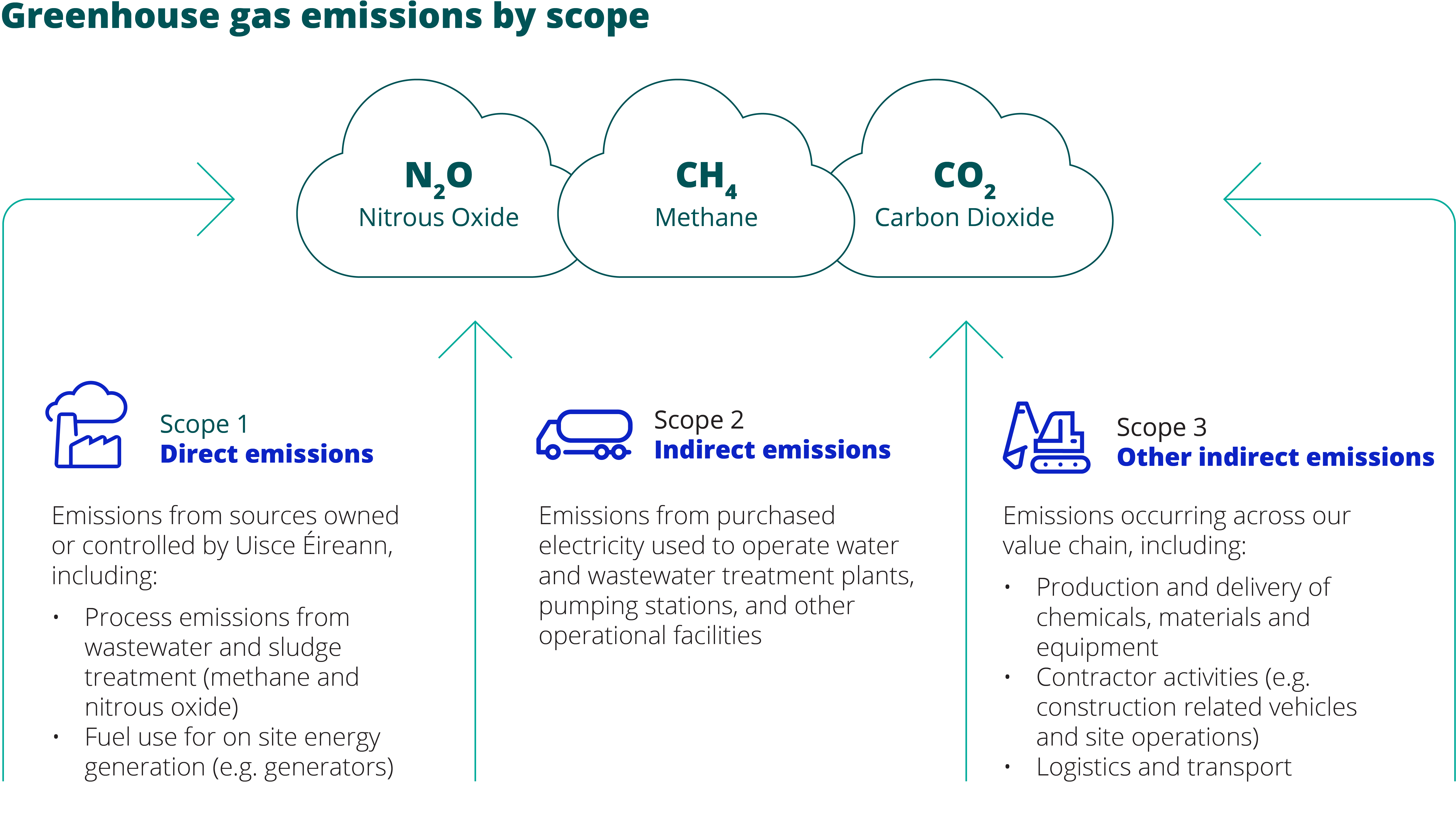
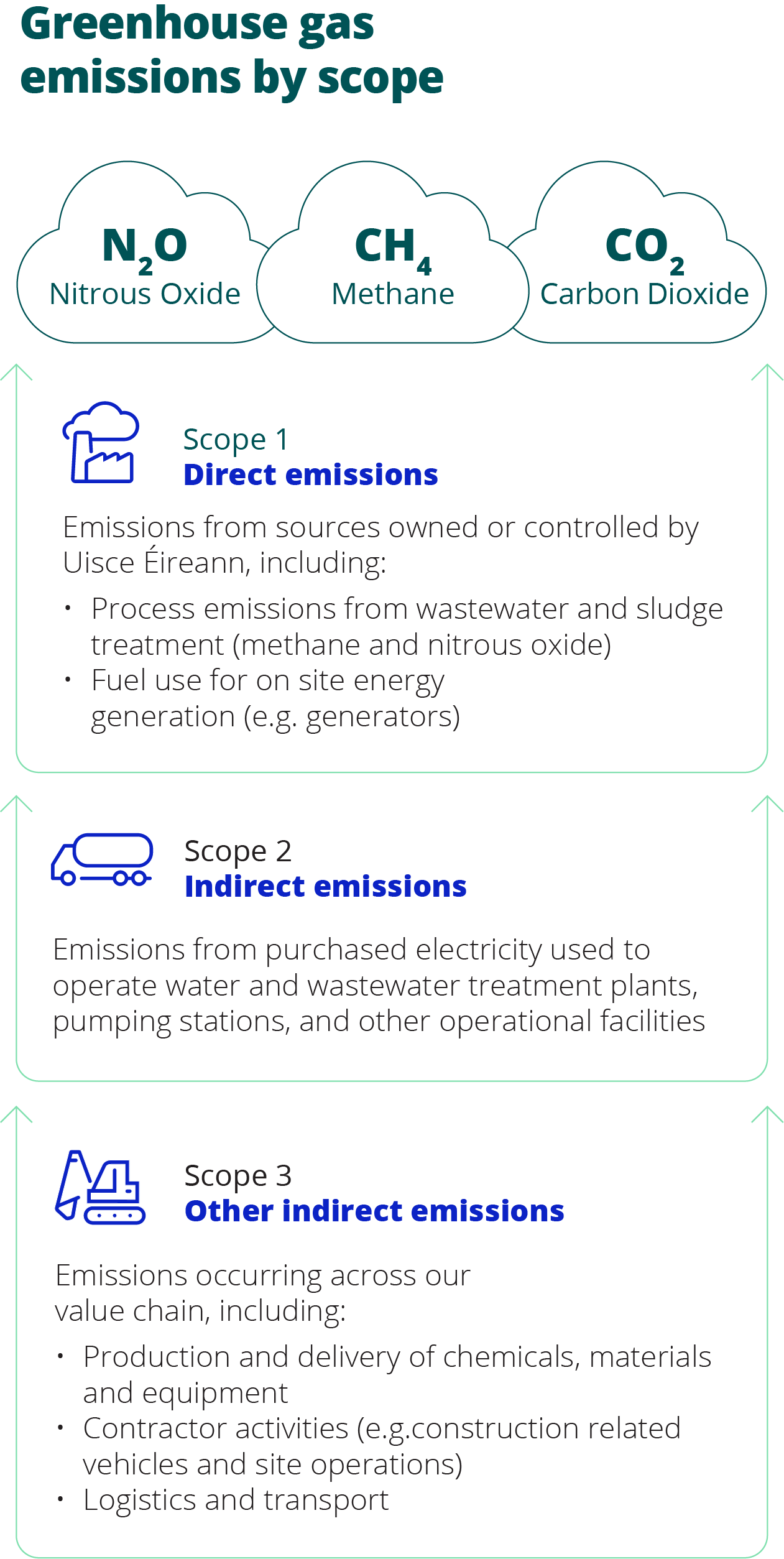
Uisce Éireann’s Main GHG Emission Sources
Uisce Éireann adheres to the Greenhouse Gas (GHG) Protocol (Homepage | GHG Protocol), the internationally recognised standard for measuring and managing greenhouse gas emissions. Our reporting focuses on the three GHGs most relevant to the water sector, carbon dioxide (CO2), methane (CH4) and nitrous oxide (N2O).
During 2025, we continued to refine and enhance our Scope 1, 2 and 3 emissions calculations, and have completed a full carbon footprint assessment for 2024.
Uisce Éireann’s 2024 greenhouse gas (GHG) emissions were independently verified to a limited level of assurance in accordance with ISO 14064‑3:2019. This assessment was prepared in alignment with the requirements of GHG Protocol Corporate Accounting and Reporting Standards.
GHG Source |
Location-Based Emissions (tCO2e)* |
Market-Based Emissions (tCO2e)** |
Scope 1 - Operational Emissions |
211,793.04 |
211,793.04 |
Scope 2 Electricity |
148,960.35 |
207,115.92 |
Scope 3 |
446,915.81 |
446,915.81 |
Total |
807,669.19 |
865,824.76 |
* Location-based figures use average
**Market-based figures use emission factors specific to the actual electricity purchased.
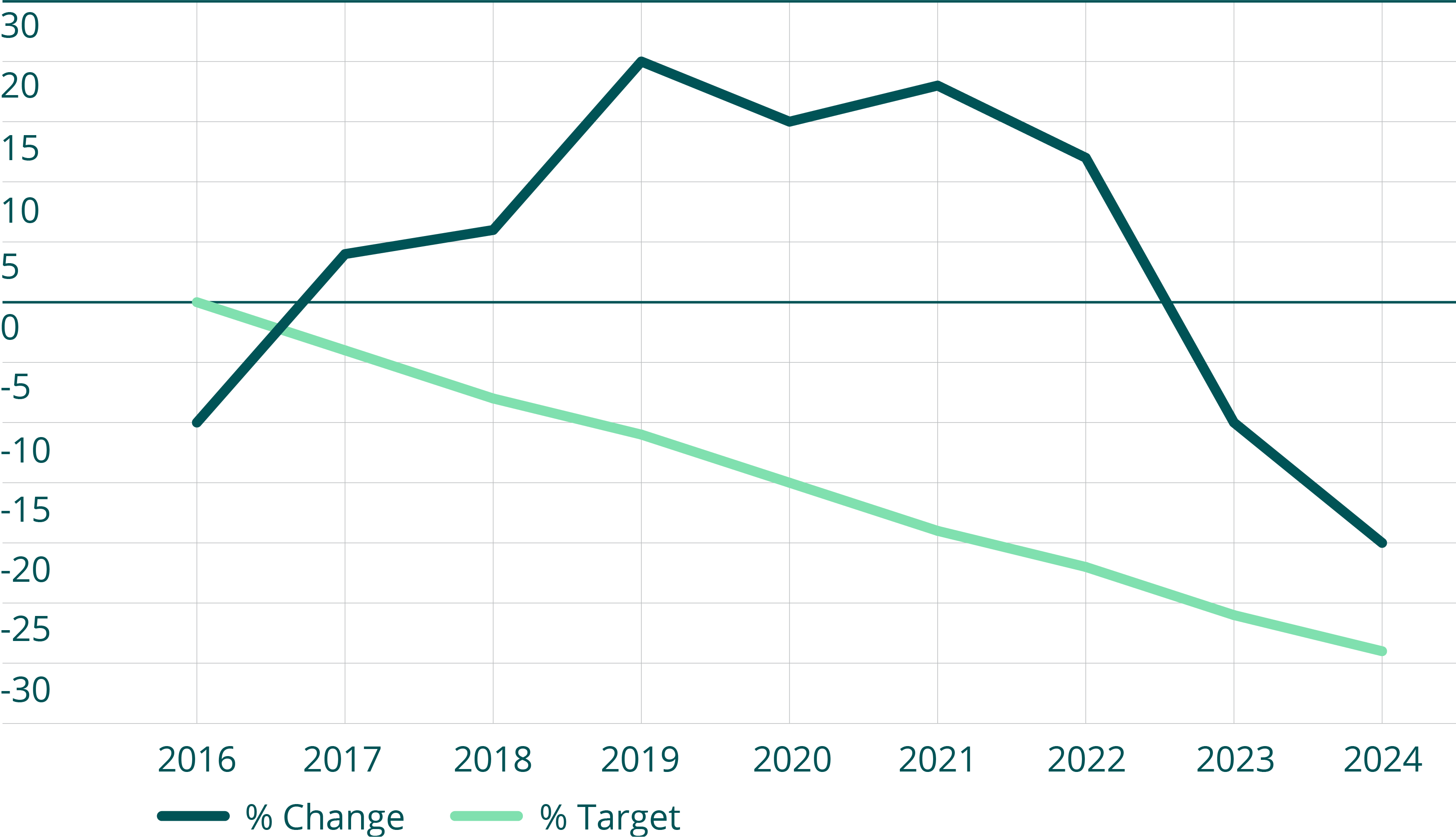
As published within SEAI provisional scorecard, available on the Monitoring and Reporting System, during 2024 Uisce Éireann continued to deliver emissions reductions, achieving a further 10% reduction compared to 2023 and reaching a 20% reduction towards our 51% fossil fuel reduction target. To address the remaining emissions reductions required to meet our SEAI targets, Uisce Éireann is progressing a range of targeted decarbonisation initiatives, including our Biogas Optimisation Programme. 2025 data is not available at present on the SEAI website.

Renewable Energy
Achievement of our internal renewable energy target of 40% of energy demand met from installed Renewables and Power Purchase Agreements by 2035, is a key enabler to achieving our Net Zero ambition. During 2025 we continued to make progress on building our supply of renewable energy generation. Biogas, stemming from our anaerobic digestion of wastewater sludge, is our principle on-site renewable energy source and a key contributor to achieving our renewable energy ambition. Biogas production reduces our reliance on fossil fuels. In 2025, we commenced a Biogas Optimisation Process, to optimise the production of biogas at our anaerobic digestion plants, maximising the scale of renewable energy from this source, and further reducing our carbon emissions. In addition, we continued to expand our solar photovoltaic (PV) programme. During 2025, the scale of solar power installations was further expanded with solar arrays installed at several treatment plant sites nationwide including Wexford, Trim, Athlone and Ballinasloe. Based on 2024 data, our renewable energy from solar produced was 271MWh (271,000 kWh).
ISO 50001 Accreditation
In 2025, we achieved the ISO 50001 Energy Management System from the National Standards Authority of Ireland. As an international standard that guides smarter energy use, helping reduce waste and further improve efficiency this marks a major milestone in our energy management journey. The independent accreditation reflects our strong energy management structures, processes, and culture of sustainability energy management. Staff from all over Ireland operating in operational and treatment plants contributed to the success of the audit process, reflecting the depth to which energy management is embedded in the organisation.
Pollution
Wastewater
The recast Urban Wastewater Treatment Directive (UWWTD) - EU - 2024/3019 - EN - EUR-Lex has been in force since 1 January 2025. The Department of Housing Local Government and Heritage (DHLGH) is transposing this directive, with a deadline of 30 June 2027. The purpose of this directive is to strengthen existing rules to better protect public health and the environment from the adverse effects of urban wastewater discharges, while aligning the sector with the European Union’s broader climate neutrality and circularity goals. It introduces several new obligations on a phased basis over the next two decades. Key new obligations on Uisce Éireann will include: Quaternary treatment and higher levels of tertiary treatment on all wastewater treatment plants over 150,000p.e. and on smaller plants based on risk assessment; and Integrated Urban Wastewater Management Plans for all agglomerations over 100,000p.e. and for smaller agglomerations based on risk assessment. These plans will set out measures for major investment to reduce pollution load from storm water overflows. Increased monitoring and transparency, resource reuse and energy neutrality will also be required. Uisce Éireann is preparing for its implementation by working with Department’s various expert groups and sub-groups.
Water
We want communities to thrive and for that they need a resilient and safe water supply. Uisce Éireann can make a positive impact to the lives of our customers and those living in our communities by providing a safe, secure and reliable water supply to our customers by balancing the supply and demand for drinking water over the short, medium and long term. This involves the 3 pillars, as set out in the National Water Resource Plan (NWRP), using less, losing less and supplying smarter.
AMBITION:
Biodiversity
Ireland was once cloaked in a blanket of native woodland that stretched from coast to coast, some estimates show that Ireland had up to 80% native woodland cover, but over time our woodlands disappeared to the point that native woodlands now cover less than 2% of the country. Sustainability is at the core of everything we do, and we are committed to rising to the challenge of climate change and the biodiversity crisis.
Across Ireland we are responsible for operating and maintaining over 4,500 sites of varying sizes. This includes infrastructure that is located within a range of habitats such as species-rich grassland, woodland, scrub and wetlands, and our infrastructure interacts directly with freshwater, estuarine and marine habitats. We have several biodiversity enhancement measures that we apply across our sites. One measure that we employ is the establishment of native woodlands. The trees that we plant go on to develop into a woodland and provide food and homes to thousands of birds, plants and insects. Native woodlands are a great example of nature-based solutions where the woodlands will improve water quality, enhance biodiversity and remove carbon dioxide from the atmosphere.
To date, Uisce Éireann, in conjunction with the Department of Agriculture Food and the Marine (DAFM), have established native woodland on 34 of our sites, with 31,720 native trees planted across the country in 2025. These woodlands vary in size from 6 hectares to 0.3 hectares using a diverse mix of native trees that are selected to suit the local soil and environmental conditions. Our objective is to establish woodlands for biodiversity long into the future.
AMBITION:
Customer
Leakage
Leakage reduction remains one of Uisce Éireann’s top priorities. Our long-term goal continues to be the achievement of 20% leakage levels and we are committed to achieving this through appropriate and targeted investment in our water network. We have made significant progress, the amount of water lost from our networks has reduced from 37% to 30% in Dublin and from 48% to 36% nationally.

Social
Under the Social pillar, we restate our commitment to a safe working environment with equal opportunities for all, and a diverse, inclusive and fair workplace, recognising the role we play in the broader community.
The Social Pillar has two public facing ambitions:
AMBITION:
Employees
Diversity, Equality and Inclusion (DE&I): Achieve Inclusion index of 80% by 2030.
AMBITION:
Community
Educate 1 million people on the value of water by 2030.
In 2025, the Social Community of Practice (CoP) was established with representation from teams across the business. An area of focus for the CoP was the public education target. Work progressed to define an education activity, key messages, key metrics, impacts and monitoring. Work in this area will continue in 2026.
Safety
Our People
We proactively manage and identify the impacts of our business on employees, third party delivery partners, customers and communities. We are committed to ensuring our business makes a positive impact in the communities in which we operate. Uisce Éireann continued to support its strong partnerships and community programmes. These programmes promote positive behaviours in water and wastewater related activities in homes and businesses and increase awareness of water related issues and the benefits of making simple positive changes.
Putting Safety First
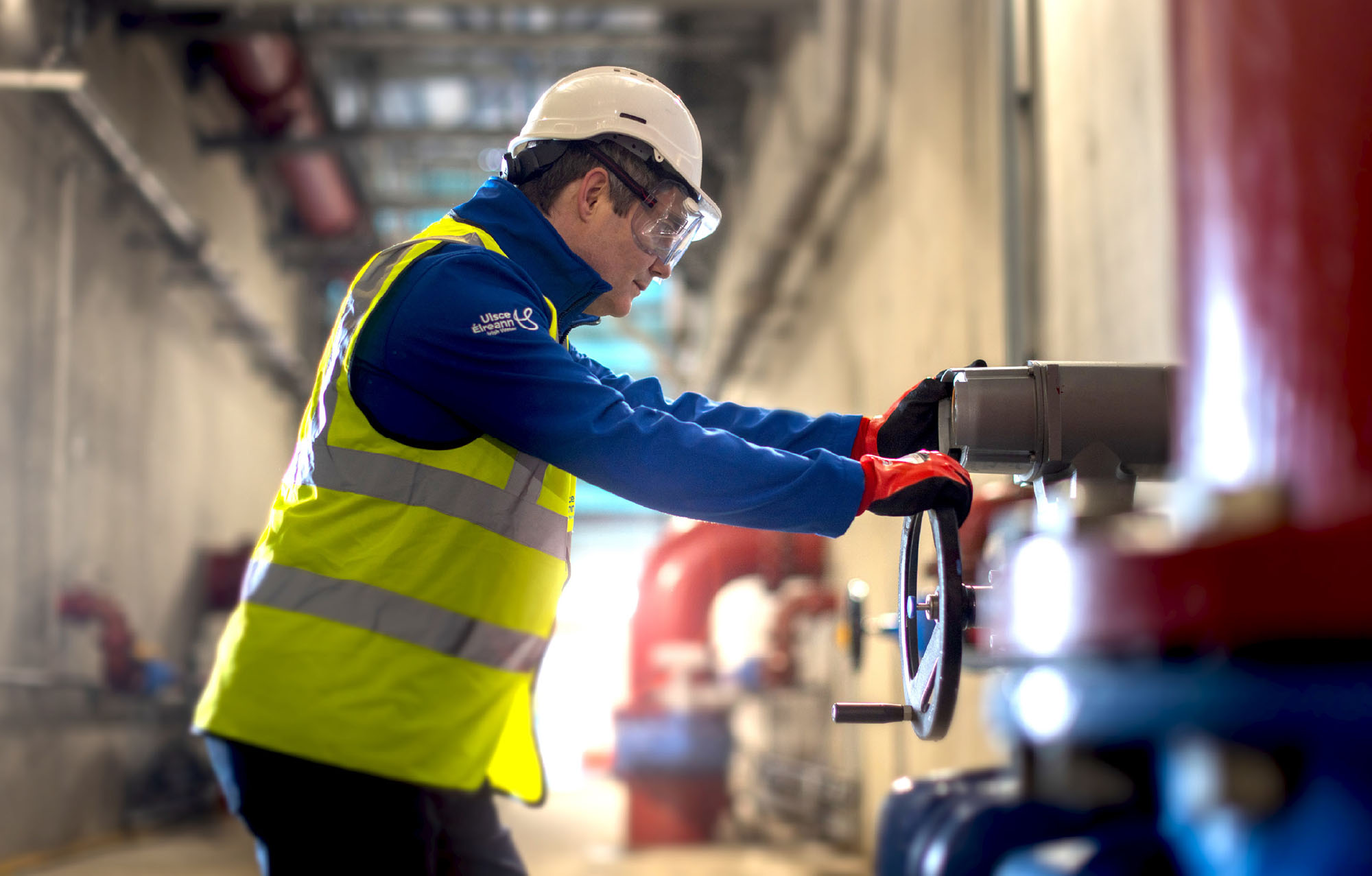
Uisce Éireann is committed to enhancing the safety culture through the Work Safe Home Safe framework which we utilise to live our safety value and keep each other safe. WSHS is designed to ensure staff and third party delivery partners have the tools and processes required to work safely and are empowered to call out unsafe behaviours.
Tragically there were two fatalities this year on 3rd party delivery partner-controlled sites. On 18 of September 2025, a person working on behalf of one of our third-party delivery partners had a fatal accident during works at Ballycotton in Cork. A separate fatal incident occurred on Saturday 29th November involving a person working for one of our third-party delivery partners on an infrastructure delivery upgrade project in Mayo.
Both incidents are currently under investigation with the Health and Safety Authority, despite all of our efforts they are a stark reminder that we must continue to prioritise safety.
The Work Safe Home Safe strategic three-year plan was approved by the Board in 2023 and is in year two of implementation. This strategic plan acknowledges the organisational safety challenges and focuses on managing them through key pillars including leadership and culture, safe assets and workplaces, safe ways of working, and safe delivery partners, and health and well-being. Implementation of the plan is on target with some key initiatives delivered this year. In 2025, following the successful relaunch of the Work Safe Home Safe Framework, we further embedded work safe home safe across the organisation, making it visible to ensure all staff understand what it represents and the role they play in delivering it. A key part of this was the introduction of a Uisce Éireann behavioural safety programme. The behavioural safety programme empowers employees at every level to engage confidently and consistently in safety-related habits and behaviours. We have trained nearly 500 staff to date and additional sessions will continue to roll out to all staff in 2026 further embedding a culture of safety across the organisation.
Additionally, we launched a Safety Leadership Conversation Programme that was developed for all staff. This initiative is designed to complement and strengthen the behavioural safety programme by promoting proactive discussions on safety at every level across the organisation.
An unprecedented milestone was achieved in 2025 with the rollout and implementation of the Uisce Éireann Safety Management System which replaces the 32 systems that were previously in place across the country. The safety management system ensures a consistent approach to risk mitigation for all Uisce Éireann activities regardless of their location. Our commitment to frontline safety was further demonstrated through the nationwide rollout of the WorkSafe Home Safe Handbook, which outlines critical safety controls and guidance. This initiative reached almost 2,000 staff through in-person training sessions, reinforcing our dedication to a safe and informed workforce.
Commencing in May and completed by 19 November, the implementation process included 80 training sessions for frontline staff, 31 Change Impact Assessments, and 1,834 risk assessments. Key components delivered in 2025 include Development of standardised health and safety guidance for frontline crews.
Procurement of business intelligence tools to enable the sharing of safe work practices with frontline staff, monitor compliance nationally, and communicate safety messages across large geographical areas.
The development and introduction of digitised tools such as Point of Work Risk Assessment (POWRA), Inspection and Incident Reporting, Traffic Management, and Lone Work tools.
Creation of a user-friendly Work Safe Home Safe app and resource hub booklet for frontline staff. Launch of a Safety Resource Hub, along with critical procedures and guidelines for our new workforce.
Our safety campaign for third party delivery partners worked on raising awareness on occupational health and welfare issues for frontline workers on Uisce Éireann sites through a Worker Welfare Week in June. The campaign aimed to ensure a consistent approach to worker welfare is being implemented across Uisce Éireann projects and programmes. The main areas of focus during the week were Welfare facilities, Skin Cancer, Dust, Noise and Hygiene. The Caring for Christmas campaign was successful again this year with over 1000 people attending the launch webinar the campaign was extended this year to frontline workers in Asset Operations as well as with our third party delivery partners. The campaign acknowledges that Christmas can be a challenging time for many and focuses on providing and directing people to the many supports that are available. The campaign was also endorsed by the Construction Industry Federation and shared out to the wider construction industry.
Further content was developed for the Am I SAFE? website including two conversation starter videos on near miss reporting and safety in design, along with multiple lessons learned safety videos from delivery partners and Uisce Éireann employees.
Our golden rules set expectations for critical risk activities, two additional golden rules were launched on pipe deliveries and pressure energy, while critical risk webinars were delivered during the year on Lifting Operations and Excavations. We monitored compliance with the golden rules through targeted inspections nationally.
Throughout 2025 over 450 works supervisors with our delivery partners and their supply chain completed the 2-day Uisce Éireann Works Supervisor training programme.
We have also completed process safety pilots on several high hazard sites. The insights gained from these pilots will inform the development of a robust process safety strategy for the water industry, further strengthening our commitment to risk management and continuous improvement.
Throughout the year, Uisce Éireann held targeted health and safety campaigns and initiatives to proactively improve the safety, health, and wellbeing of our staff. Notable campaigns included focused efforts on critical high-risk areas such as electrical equipment, pressure systems, driving, working with underground services, live traffic, and the safe use of tools, plant, and equipment.
During the year, over 3,477 safety conversations were conducted to ensure the Work Safe Home Safe culture is embedded across the organisation. Our Mental Health and Wellbeing initiatives have resulted in an increase in the number of trained Mental Health First Aiders (currently 270), and staff continue to be encouraged to form healthy habits through initiatives such as ‘Time to Talk’ and our ‘digital wellbeing platform’.
We have further refined our occupational health immunisation programme and are in the process of establishing a robust occupational health support system to support our new workforce.
The Work Safe Home Safe (WSHS) pillars embed our safety value in daily activities by providing both staff and delivery partners with tangible tools and resources to support them. The Uisce Éireann health and safety management system is based on recognised standards, holding ISO 45001 certification, which has been maintained through external audit.
Our People

Diversity, Equity and Inclusion
Uisce Éireann employs almost 3,300 people, who together with circa 1,500 staff in Local Authorities working in water services on behalf of Uisce Éireann, deliver water and wastewater services. We recognise the importance of equality, diversity, and inclusivity among our workforces.
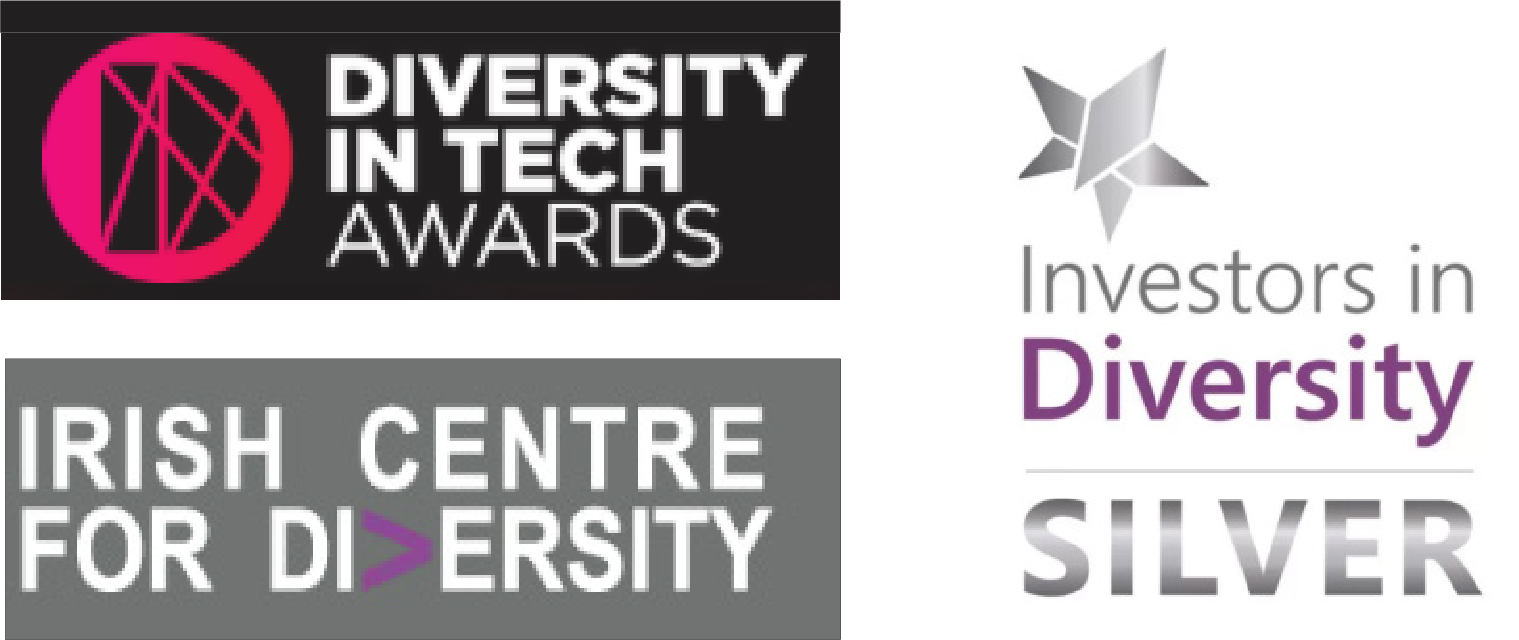
In 2025 the ibelong programme continued to ensure a focus on diversity, equity and inclusion (DE&I) in Uisce Éireann. ibelong is about making our workplace more diverse, inclusive, and equal and enabling everyone to be their true self at work. The ibelong programme is overseen by our Diversity, Equity and Inclusion Council which is made up of employee representatives. The employee led resource groups hold numerous membership events, create connections between employees and engage in discussions with many events this year creating awareness and educational sessions within Uisce Éireann. Our highlights include gaining silver and bronze accreditations from the Irish Centre for Diversity, which demonstrate our commitment to DE&I. Uisce Éireann won three national awards, highlighting external recognition for our work in DE&I.
As a Diversity, Equity and Inclusion Council, we progressed work implementing our 3-year Strategy on the next iteration of our Diversity, Equity and Inclusion Strategy that sets the strategic direction 2024-2026 and links to our THRIVE Strategy in the ‘H’ to harness a safe, diverse, and inclusive workplace. At Uisce Éireann we continue our partnership with Business in the Community as a signatory to the Elevate pledge.
The DE&I Index measures employee sentiment relating to inclusion and is reported annually as part of employee engagement. The score for 2025 is 87%, which is 2% above the Irish national average, as per the benchmark from the provider of the Uisce Éireann employee engagement survey.

Gender Pay Gap
Addressing our Gender Pay Gap is an important element of the Uisce Éireann DE&I agenda, as we strive to increase female representation at all levels and to ensure we are creating an environment where everyone feels valued and recognised at work.
Uisce Éireann published its fourth Gender Pay Gap report on 14th November 2025 for the pay period 26th June 2024 to 25th June 2025. This report provides us with insights into areas where we need to focus our efforts as well as reflecting our ongoing commitment to transparency and improvement in gender equality in the organisation. We reported a mean gender pay gap of -3.85%. This figure reflects the significant growth we’ve experienced in our journey to transform water services in Ireland. During this period, we hired nearly 900 new colleagues, many of these roles in frontline water services operations. These roles typically attract male candidates. Our overall gender representation changed with 67% of total workforce male and 33% female, 64% male and 36% female in 2024.
We anticipate that the period between now and the end of 2026 is likely to cause fluctuations in our gender pay gap year on year. The work we are doing to address our Gender Pay Gap is essential to progressing our D&I agenda, such as hybrid working, female talent programmes, and a focus on recruitment of females into STEM roles through our early careers programmes are showing positive results. These programmes have further developed the careers of our female employees at senior level positions.
Please click here to view our 2025 report, the key drivers behind it as well as our action plan to support gender pay gap initiatives in 2026 and beyond.
Early Careers: Driving Diversity and Inclusion Through Opportunity
Graduate Programme
2025 has been another strong year for our Early Careers Programmes, welcoming over 100 new joiners across our Graduate, Work Placement, and STEM Summer Internship Pathways. These programmes remain central to building a workforce that reflects the diversity of the communities we serve.
- Gender Diversity: 52% of participants across all three programmes were female, reinforcing our commitment to gender balance at all levels.
- International Representation: 26% of our Graduate intake were international students, bringing global perspectives and enriching our organisational culture.
- Inclusive Recruitment: We partnered with university disability offices and engaged a specialist neurodiversity consultant to ensure our recruitment process is accessible, supportive, and inclusive for all candidates. 5% of our Graduate intake joined through this inclusive recruitment channel, demonstrating the impact of these efforts.
Our reputation as an employer of choice continues to grow. Uisce Éireann is now ranked #37 among Ireland’s most attractive graduate employers by GradIreland, up 10 places from last year.
To further strengthen the talent pipeline, we introduced two new academic bursaries for engineering students in partnership with UCC and UCD. The UCC bursary is specifically targeted at female students, helping to increase the representation of women in STEM and build a sustainable pipeline of female engineering talent for the future. Through these initiatives, our Early Careers Programmes are widening access to opportunities, removing barriers to entry, and embedding inclusive practices across recruitment, development, and progression. This approach ensures representation grows sustainably and drives innovation through diverse perspectives. https://gradireland.com/careers-advice/ireland100.
We are developing our apprenticeships that broadens our early-career talent pool by creating accessible routes for candidates beyond traditional third-level education. We are piloting several Flexible Working Arrangements such as part-time work, shorter working year and job sharing. These are open to males and females. We continue to expand our Family Friendly polices such as Hybrid Working Model.
Human Rights
Uisce Éireann is committed to respecting and promoting Human Rights across our operations and value chain groups. We recognise our duties under the Irish Human Rights and Equality Commission Act 2014 Section 42(2), which requires public bodies to assess, address, and report on equality and human rights in a publicly accessible manner.
In 2025 we launched a human rights training module to build awareness, knowledge and responsibilities of human rights across the organisation. Uisce Éireann gathers employee and customer insights through regular surveys, service standards and feedback mechanisms, and applies responsible procurement practices that address social value, working conditions and human rights. We support inclusion and community benefit through partnerships, socially responsible procurement and targeted initiatives including Women in STEM, the Open Doors Initiative and Goal Global WaterShare Ireland. Further equality and human rights assessment and training is planned from 2026.
Uisce Éireann Human Rights Policy can be found on our website.
“Uisce Éireann is now ranked #37 among Ireland’s most attractive graduate employers by GradIreland, up 10 places from last year.”

Collaboration
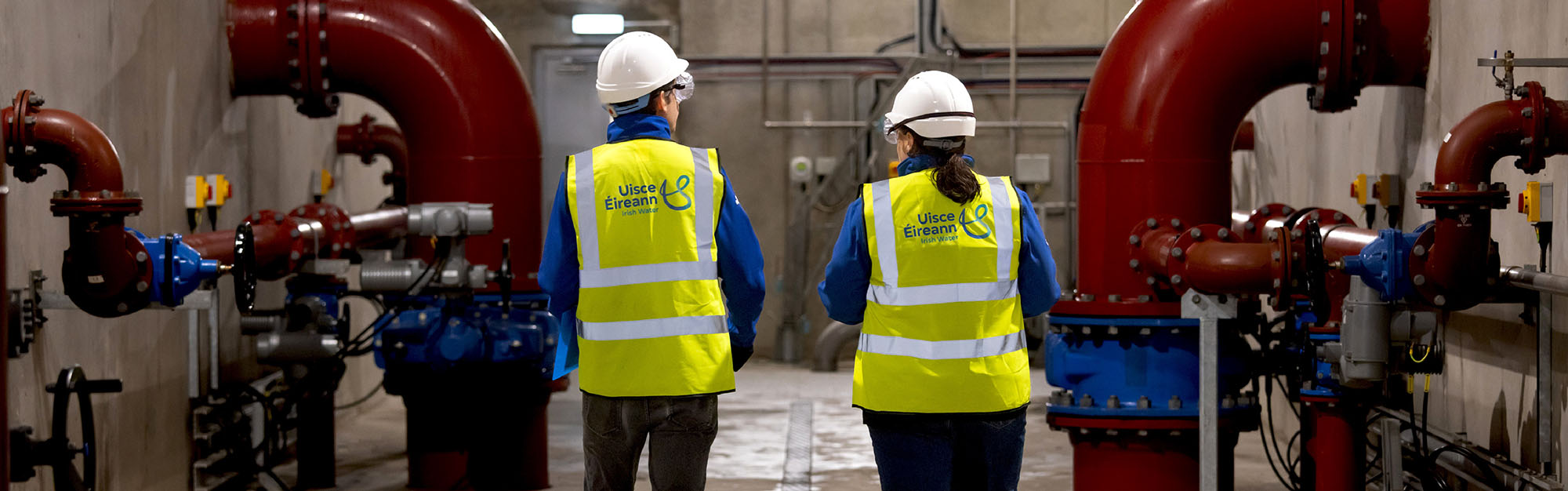
Collaboration, reflects our active engagement with our stakeholders to ensure sustainability and innovation are embedded in the design, build and operation of our assets.
AMBITION:
Circular Economy
Management of our Key Waste Streams - waste material is generated as a result of our daily operational activities, including sludges arising from both our wastewater treatment and water treatment processes. We are continually striving to optimise the management and use of these materials in line with the principles of a circular economy. We have progressively reduced the quantities of sludge going to landfill over recent years and are on track to meet our sustainability target to have circular economy outlets for sludge by 2026, with over 95.5% of water treatment sludges going to circular outlets in 2025.
We actively identify ways to apply circular economy principles throughout the development, enhancement, and upkeep of our infrastructure and assets. We are committed to responsible onsite environmental management, focusing on reducing resource consumption while increasing recycling and recovery of waste generated during our construction activities
Examples of effective initiatives we have implemented with our partners and construction contractors are illustrated below:
- Use of recycled materials in road and pavement reinstatement works.
- Designing out waste to landfill.
- Surplus excavated material being used in screening and landscaping works.
- Use of Article 27 mechanism to reduce waste generated and use surplus material on other sites.
- Segregation of waste for re-purposing and/or recycling and recovery.
Uisce Éireann’s Sustainability Framework has committed the organisation to a target of achieving zero recoverable waste to landfill by 2030, and to ensure circular solutions are considered at each phase in all our capital projects by 2026.
During 2025, Uisce Éireann developed and is now implementing Circular Economy Design Standards (CEDS). The adoption of circular economy principles, opportunities and actions outlined in this standard will be essential to achieve the targets and ambitions the organisation has committed to.

Governance
Strong governance is key to the reputable delivery of our ambitions and reporting of our progress, the outcome of which is a culture of sustainability compliance and excellence across our teams and directorates.
Governance Pillar
Uisce Éireann Sustainability framework is governed by the cross-functional Sustainability Steering Group, which with the addition of a new Social Community of Practice (CoP) in 2025 now has 10 CoPs regularly reporting progress on the wide range of sustainability activities undertaken across the organisation ensuring focus and cohesion in their delivery.
Please refer to the Governance Chapter for further information in relation to:
- Protected disclosures.
- Code of Business Conduct.
- Anti-bribery and anti-corruption policy.
- Anti-fraud policy.
- Regulation of Lobbying.
- Prompt payment policy.
Sustainability Ambassador Programme and Training
In 2025, Uisce Éireann launched an internal Sustainability Ambassador Programme that awards a micro-credential accreditation in partnership with the University of Limerick. Ambassadors will play a vital role in driving our Sustainability Framework forward. The first cohort of ambassadors, represent a wide cross-section of our business functions. The ambassadors will advocate for Sustainability, facilitate and share learnings, implement local sustainability initiatives, and act as key communicators within their business units.
During 2025, Uisce Éireann introduced a new suite of sustainability e-learning training modules for Uisce Éireann staff. These modules are designed to strengthen understanding ‘drive aligned action and contribute to our commitment to building low-carbon, climate-resilient, sustainable water and wastewater services.