
Biodiversity At Uisce Éireann
What is Biodiversity?
'Biological diversity’ or Biodiversity is the variety of life on Earth, from genetic variation within a species, to the diversity between different species, through to ecosystems. Biodiversity encompasses all life that can be found in an area, including the variety of animals and plants, as well as fungi and micro-organisms such as bacteria.
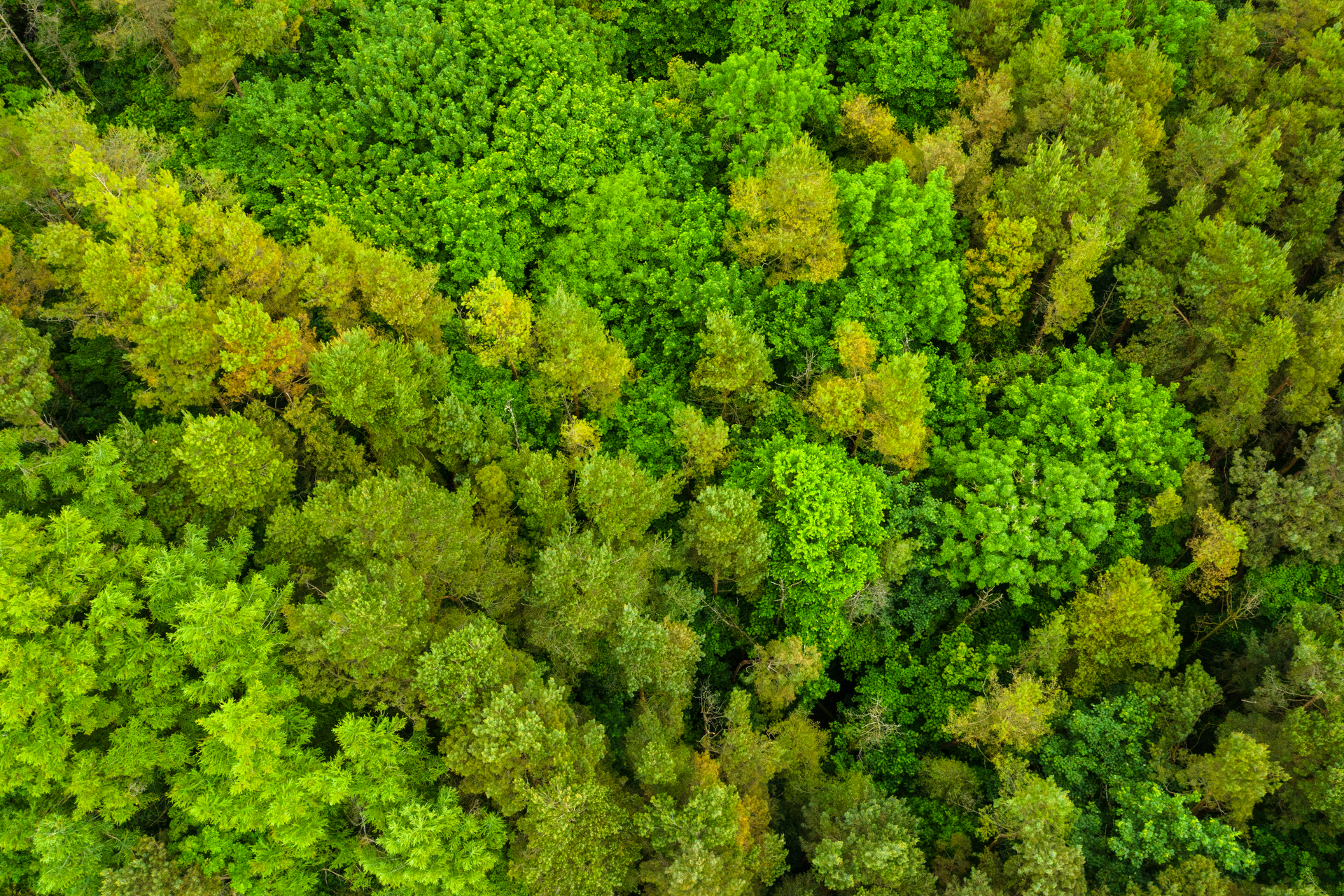
What is an Ecosystem?
An ecosystem is a community of species, interacting with each other and their environment. Ecosystems contain biotic or living parts, as well as abiotic or non-living parts, such as wind, temperature, sunlight, rainfall and rock type. A healthy ecosystem has a high biodiversity (i.e., it has lots of different species!), making it more resilient to change and disturbance. Wetlands, forests and agroecosystems are important ecosystems in Ireland.
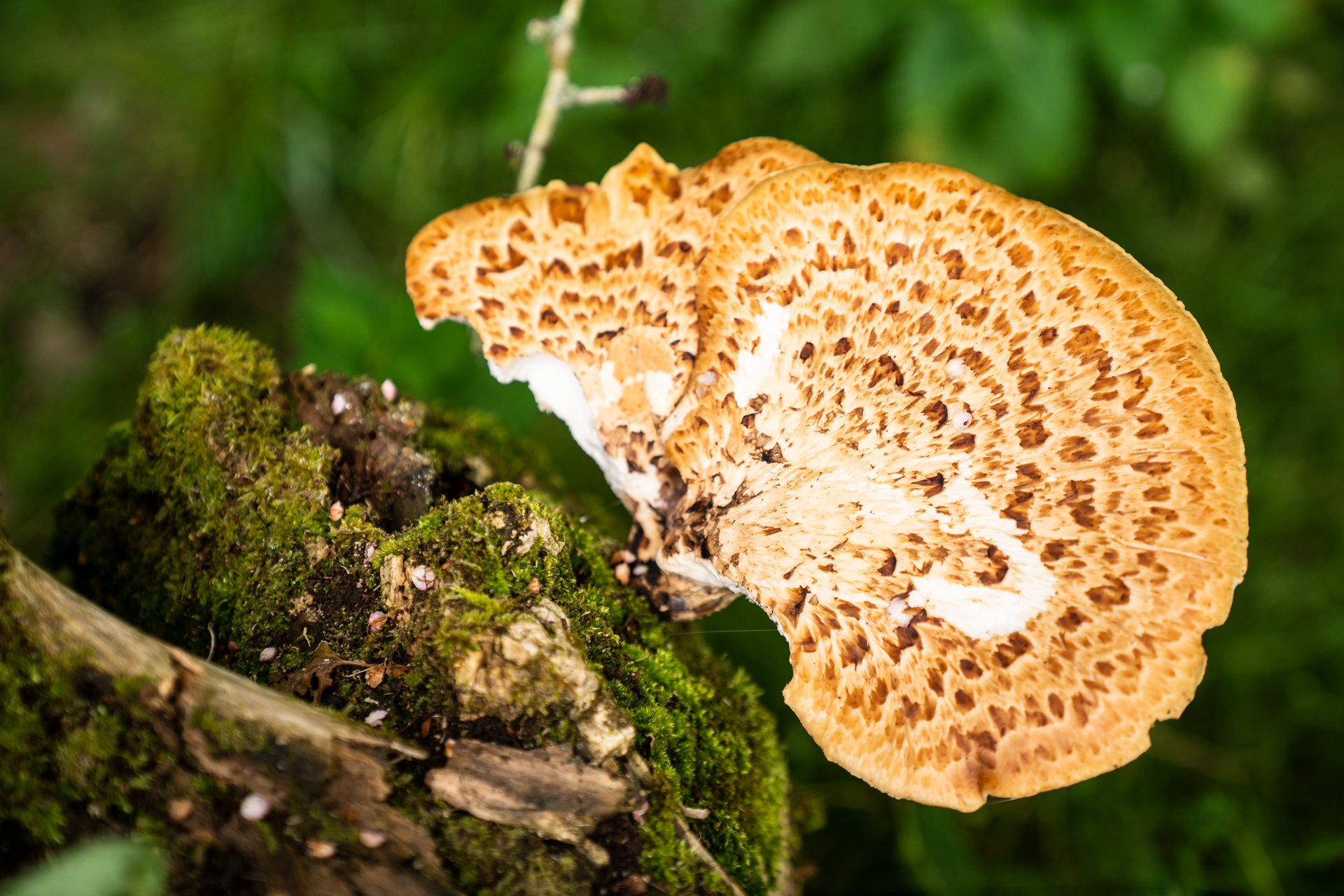
What is a Species?
A species is a group of organisms that share common characteristics. Species are essential for the functioning of ecosystems. The complex and unique relationships between species in an ecosystem means that the loss of one species threatens other species which depend on it either directly or indirectly. Ireland is home to over 31,000 species! Our inland waterways (e.g., rivers, streams, lakes, ponds and wetlands) support internationally important populations of threatened species in Europe such as Atlantic salmon, white-clawed crayfish and freshwater pearl mussel.
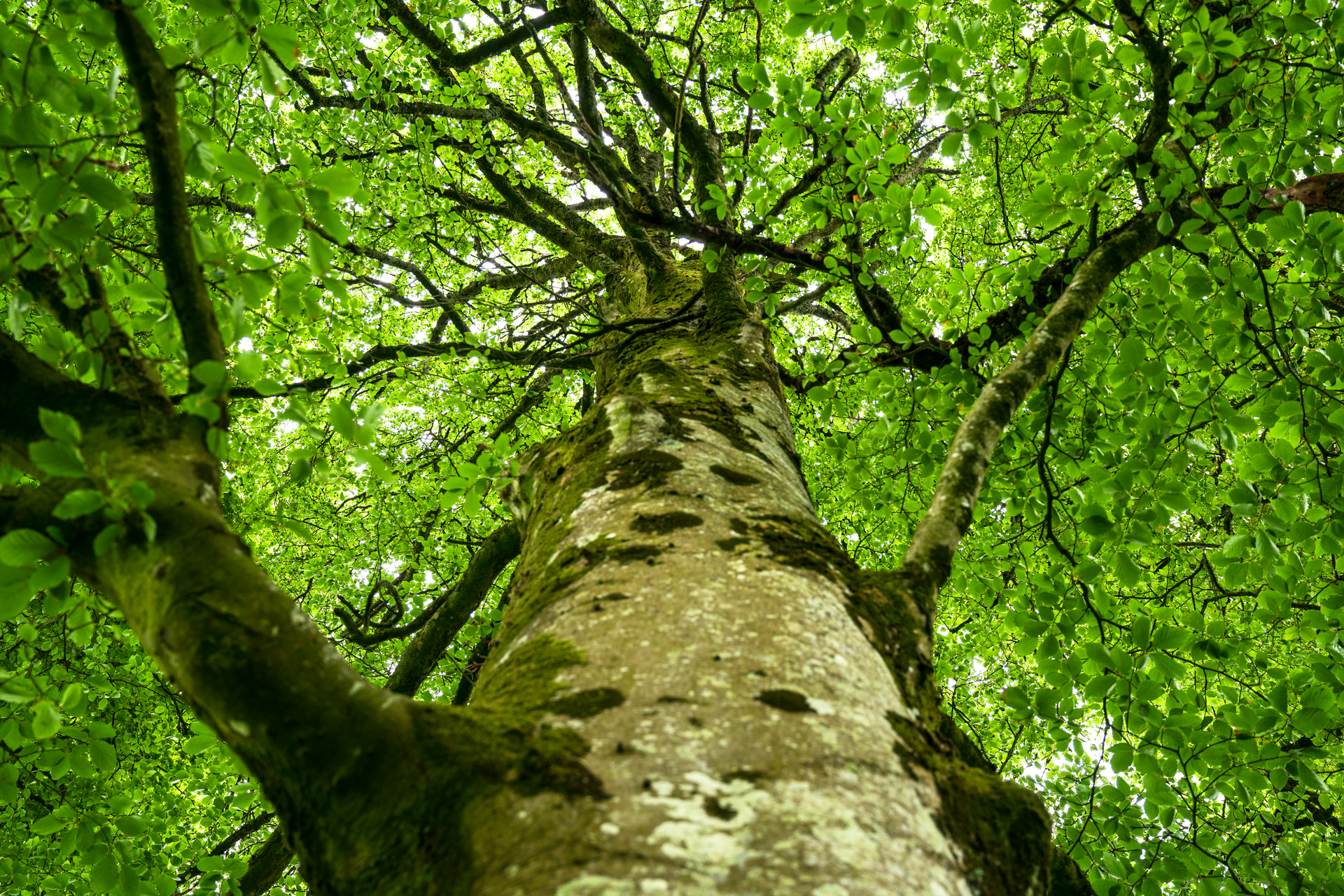
What is a Habitat?
A habitat is the natural home or environment of an animal, plant, fungi or micro-organisms. Habitats provide the conditions species require for survival, such as food, water and shelter. Depending on the species and its environmental requirements, a habitat can be large, such as a river, forest or the ocean, or they can be small, such as a pond, riverbank or decaying wood. Ireland has a wide diversity of habitats which support our species.
The Number of Different Species in Ireland
Why is Biodiversity Important to Uisce Éireann?
Biodiversity is essential for providing sustainable water and wastewater services. As a water utility, Uisce Éireann relies on the functioning of biodiverse ecosystems, as these systems provide countless benefits and ecosystem services. By enhancing biodiversity at Uisce Éireann sites we strengthen our ability to provide water and wastewater services to our customers nationally.
The Benefits of Biodiversity
What are the threats to biodiversity?
Like many places around the world, Ireland’s biodiversity is facing challenges from development, changes in farming practices and climate change among other threats, with many of our native habitats and species experiencing declines in recent decades. This prompted the Irish Government to declare a ‘Biodiversity Emergency’ in 2019, driving action across all sectors to protect biodiversity.
At Uisce Éireann, we recognise the need to urgently increase and accelerate efforts to halt the decline of biodiversity. We are committed to ensuring that we build and manage our infrastructure responsibly so that our ecosystems are protected, and where possible enhanced. Our Biodiversity Action Plan (BAP) outlines how we aim to conserve, enhance and work with the natural environment at Uisce Éireann. Learn more about Uisce Éireann’s Biodiversity Action Plan by clicking below.
The 5 Key Threats to Biodiversity
The Importance of Biodiversity to Uisce Éireann